1. Requirements & Competition
Vitamin C requirement is context-dependent:On moderate to high-carb diets, glucose and vitamin C compete for the same GLUT4 transporter.
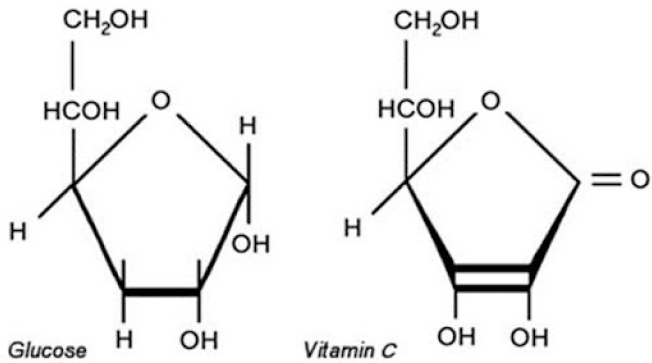
This competition impairs vitamin C uptake, creating a higher requirement.On a carnivore/low-carb diet, GLUT4 is wide open.Vitamin C enters cells freely, dramatically lowering the requirement (alongside other mechanisms).
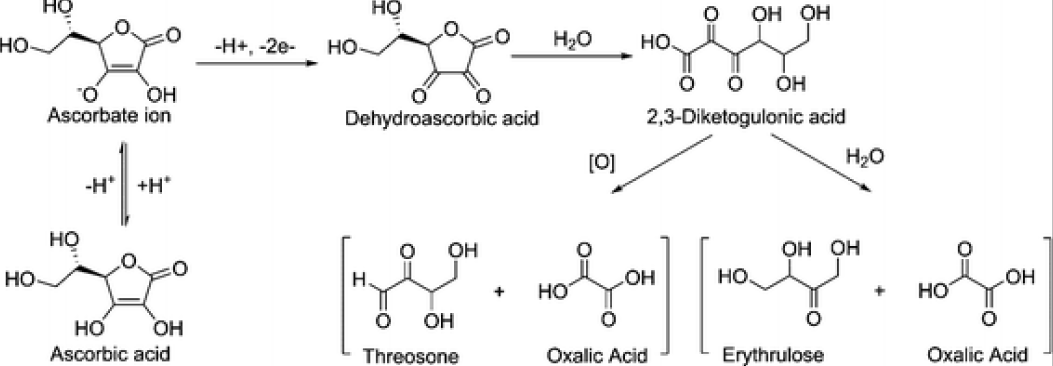
And in fact, excess vitamin C when supplemented will turn into oxalic acid (oxalates)
In some cases, diabetics can develop scurvy-like symptoms due to chronically high blood sugar blocking the uptake of vitamin C, despite having plenty of it in their diet.
2. Meat Contains Vitamin C
All animal cells (including meat) contain vitamin C in the cytoplasm, just like human cells.
The FDA usually labels meat as having zero vitamin C Not because it actually has none, but because they decided the amount isn’t “worth mentioning.” (It’s an arbitrary, non-scientific choice.)Additionally, many nutrient tests are conducted after removing the water, which can make the vitamin C content appear significantly lower than it actually is.
It's important to remember that less fresh and cooked meat contains less Vitamin C.
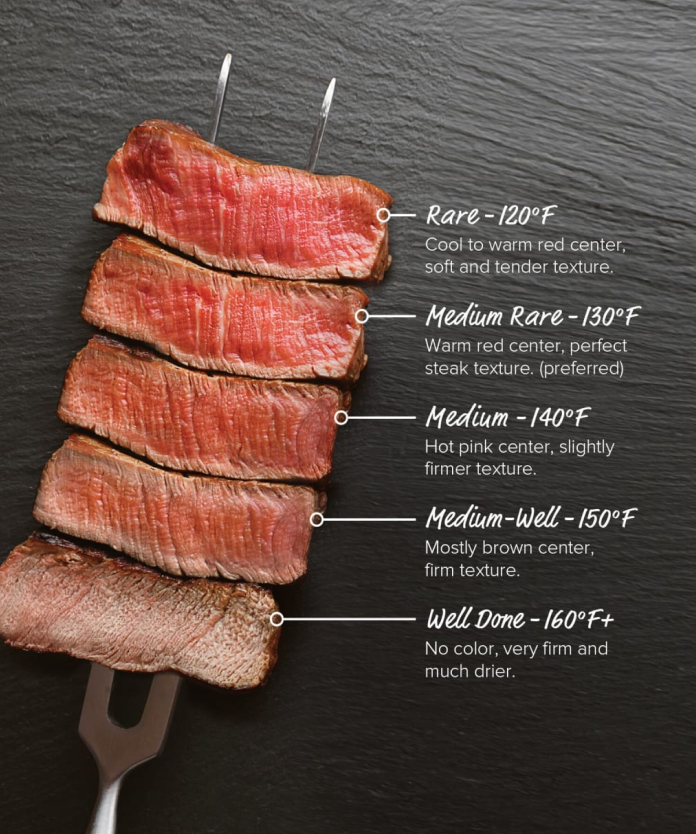
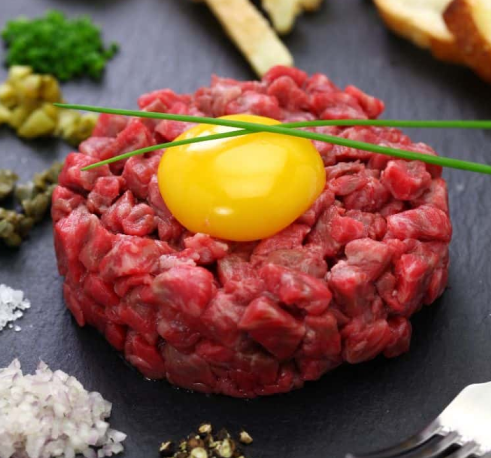
Raw / rare / medium-rare meat = high vitamin COvercooked or dried meat (jerky, pemmican, canned) = low vitamin C
3. Historical Evidence
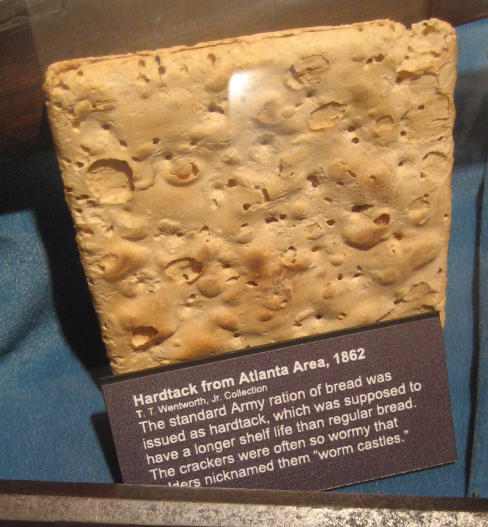
Napoleonic Wars: soldiers developed scurvy on dried biscuits + minimal meat.

Napoleon slaughtered horses and used fresh horse meat to cure scurvy, even when carbs were still present.
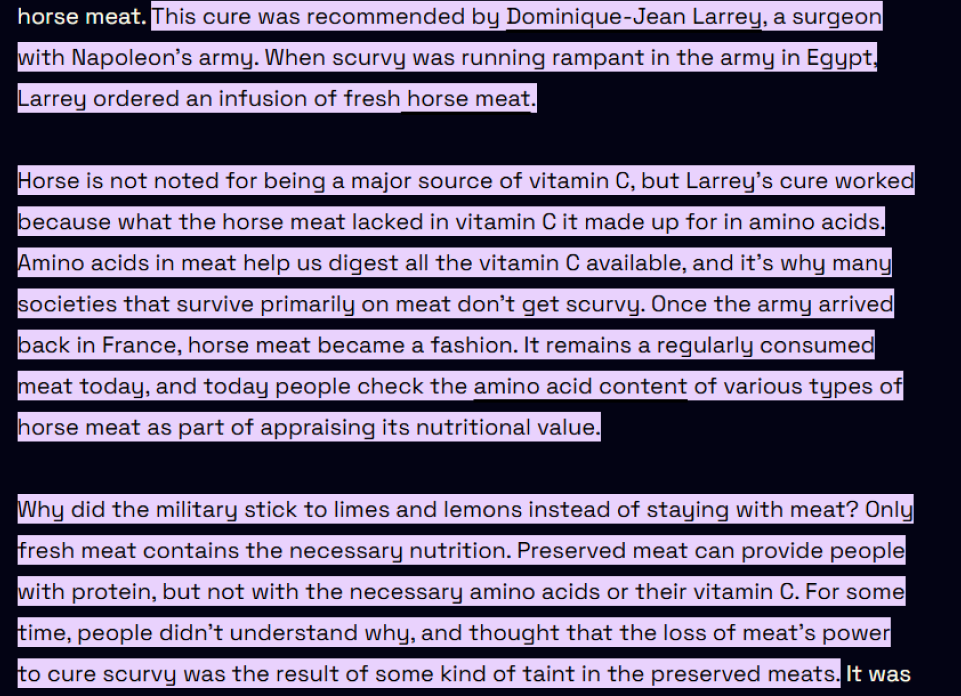
Sailors: officers (with fresh meat access) didn’t get scurvySailors who ate dried biscuits, along with some dried and salted meat, did.
Tribes:Inuit, Maasai, Hadza, and Kalahari thrive without scurvy on meat-based, low-carb diets.

4. Collagen + Amino Acid Pathways
Vitamin C is often cited as needed for collagen synthesis (hydroxylation of proline/lysine).
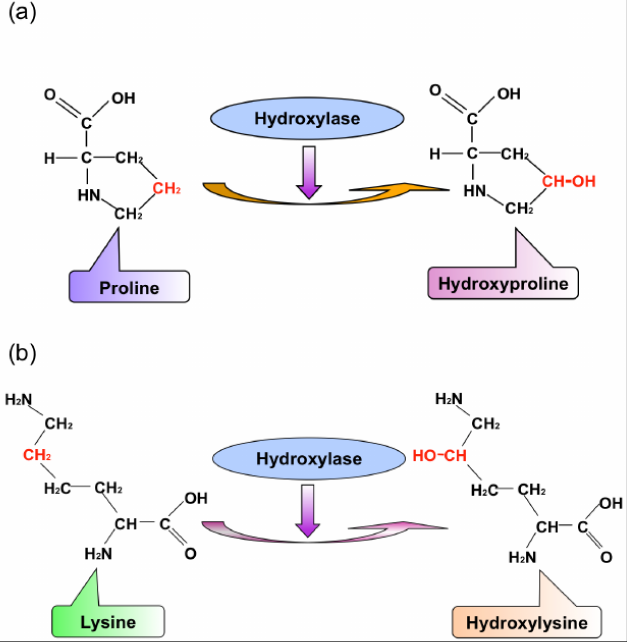
Carnivore diets supply hydroxyproline & hydroxylysine directly from animal protein, reducing the need for vitamin C in that pathway.
Other nutrients (retinol, Vitamin D3, Vitamin K2 MK-4) support collagen synthesis and tissue health, further reducing the need for much vitamin C.
5. Chromium + GLUT4 Regulation
Chromium upregulates GLUT4 receptors, which increases vitamin C uptake into cells.
Carnivore sources: oysters, mussels, shrimp, pork, beef, eggs.
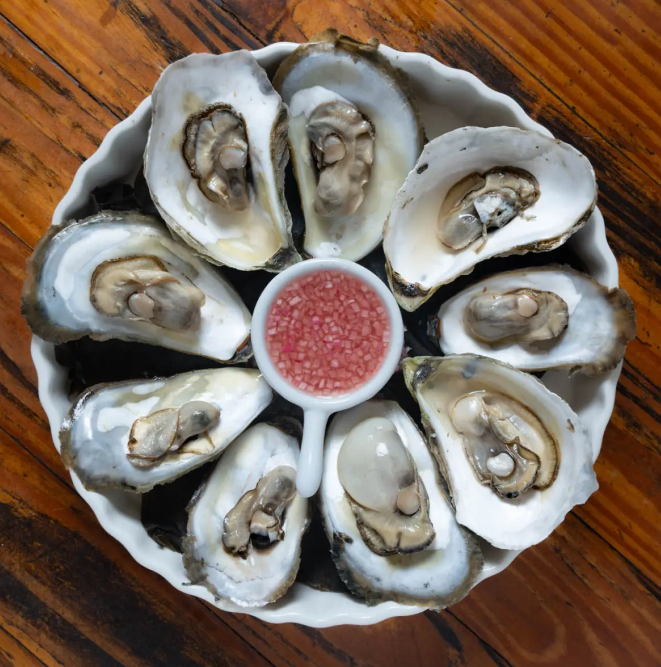
This mechanism can further reassure carnivores concerned about vitamin C absorption.
6. When is there a risk of deficiency?
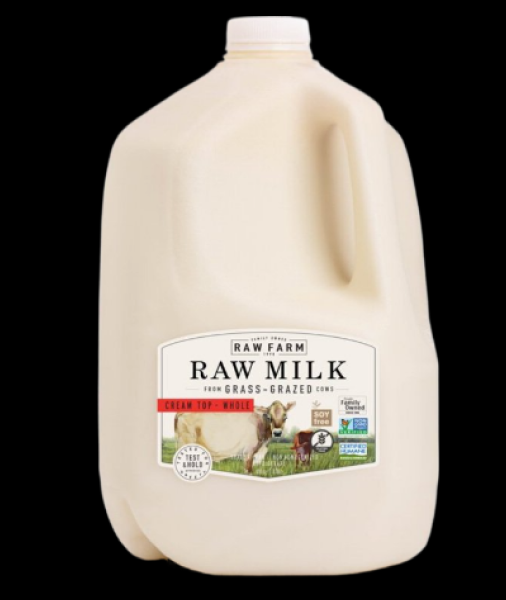
Eating only overcooked or dried meats, along with pasteurized dairy, could be a concern due to the vitamin C deficiency in both foods, accompanied by carbs.
Solution: keep some raw/rare meat or raw dairy in the diet.
7. Practical Observations
Many carnivores report improved gum/teeth health compared to a high-carb diet supplemented with vitamin C.
Gum bleeding, common on mixed carb diets (despite supplements), often disappears on a carnivore diet.
High-dose vitamin C supplementation is unnecessary and potentially harmful in a low-carb context.